Five coding-agent setups on Godot game-development tasks and creative web builds. Sol is the strongest overall. Terra, a different model in Sol's harness, matches Sol on Godot and is the fastest, but its creative pages score well below Sol's. Three Qwen 3.8 Flash deployments trail both on Godot and are level with each other there: IQ4_XS and IQ3_S on one 16 GB workstation GPU, and NVFP4 on two RTX 6000 Pro GPUs under SGLang. NVFP4 is three to seven times faster than the workstation builds, but its creative pages lose to both of them side by side.
GameDevBench · Godot tasks passed
Qwen IQ4workstation, PI, medium
48.3%28 / 58
Qwen IQ3workstation, PI, medium
51.7%30 / 58
Qwen NVFP42× RTX 6000 Pro, PI, medium
44.8%26 / 58
TerraCodex, xhigh
62.1%36 / 58
SolCodex, xhigh
65.5%38 / 58
Sol and Terra lead and are level with each other. The three Qwen builds are level with each other too.
ArtifactsBench · creative score out of 100
Qwen IQ4workstation, PI, medium
60.6mean of 40
Qwen IQ3workstation, PI, medium
64.3mean of 40
Qwen NVFP42× RTX 6000 Pro, PI, medium
57.6mean of 40
TerraCodex, xhigh
63.0mean of 40
SolCodex, xhigh
76.6mean of 40
Sol leads clearly and has the best page on 34 of 40 tasks. The other four sit within 7 points of each other.
GameDevBench · median time per task
Qwen IQ420 tasks hit the 600 s limit
441s
Qwen IQ313 tasks hit the limit
337s
Qwen NVFP411 tasks hit the limit
125s
Terrano timeouts
44s
Solno timeouts
104s
Terra finished first on 45 of 58 tasks and NVFP4 on the other 13. NVFP4 runs about 3 times faster than the workstation builds.
ArtifactsBench · median time per page
Qwen IQ45 pages hit the 1,200 s limit
378s
Qwen IQ32 pages hit the limit
319s
Qwen NVFP42 pages hit the limit
55s
Terrano timeouts
72s
Solno timeouts
648s
NVFP4 finished first on 25 of 40 pages and Terra on 15. Sol takes the longest here and scores the highest.
What was compared
The five setups
Each side is a full stack: model, serving and agent harness together. The three Qwen setups are the same model under the same harness and settings; they differ in quantization, server and hardware. Sol and Terra share a harness and settings, so the difference between them is the model alone. All five ran in the same Ubuntu 24.04 arm64 VM, inside GameDevBench's strict sandbox. The agent sees a private home folder and the task folder, and its network reaches only its own model endpoint.
Qwen IQ4
Qwen IQ3
Qwen NVFP4
Terra
Sol
Model
qwen3.8-flash-next, Unsloth UD-IQ4_XS
qwen3.8-flash-next, IQ3_S
qwen3.8-flash-next, NVFP4
gpt-6.1-terra
gpt-6.1-sol
Served by
Strata on a local workstation, one request at a time, about 57 tokens/s decode
Same server, about 75 tokens/s decode
SGLang 0.5.23, split across both GPUs, with speculative decoding; about 150–250 tokens/s decode
Codex CLI 0.166.0, web search and browser tools off
Same as Terra
Reasoning effort
medium
medium
medium
xhigh
xhigh
Tasks run at once
1
1
1
4 on GameDevBench, 2 on creative
Same as Terra
An earlier IQ4_XS run used an abliterated build, one with its refusal behaviour removed. It is compared with the normal build in its own section and appears as a grey reference row on the pass-rate chart.
Godot 4.4.1 · 58 scored tasks · 600 s per task
GameDevBench
Each GameDevBench task hands the agent a Godot project and a change to make; an automated check then decides pass or fail. We ran a seeded sample of 60 of its 333 tasks with the leaderboard's settings: strict sandbox, runtime video on, no MCP, 600 seconds per task. Two sampled tasks are excluded because their reference solutions also fail in this VM, leaving 58.
Pass rate with 95% interval
The grey rows are references: the abliterated IQ4 build, and the leaderboard's own published GPT 6 Astra run, both scored on the same 58 tasks.
Head to head on the same 58 tasks
Each cell reads row against column: tasks only the row setup solved, then tasks only the column setup solved. Outlined cells are statistically clear (exact McNemar test, p < 0.05). Hover a cell for the full split.
Sol and Terra are clearly ahead of Qwen IQ4 and NVFP4; against IQ3 their lead is smaller and not clear. The three Qwen builds are level with each other, and so are Sol and Terra.
Every task
Each cell shows Qwen IQ4, Qwen IQ3, Qwen NVFP4, Terra and Sol, left to right.
Passed
Failed
A Qwen build hit the 600 s limit
Hover or focus a task for each setup's result and time. All five solved 15 tasks and none solved 15. The Qwen builds ran out of time on 20 (IQ4), 13 (IQ3) and 11 (NVFP4) tasks, and each still passed a few of them because the fix was in place before the cutoff. Sol and Terra never hit the limit.
Qwen IQ4's effort check before the full run
On the first 8 sampled tasks the IQ4 build (the abliterated one, at the time) ran out of time on 6 and passed 3 at its highest setting. At medium it ran out of time on 2 and passed the same 3, so every Qwen run used medium.
20131100
Tasks that hit the 600 s limit
441 s337 s125 s44 s104 s
Median time per task
10.6k9.4k8.0k2.7k3.8k
Median output tokens, on the 35 tasks no Qwen build ran out of time
5775150–250
Qwen decode speed, tokens per second
The Qwen builds write two to four times as many tokens per task as Sol and Terra. On the workstation they decode at 57 to 75 tokens/s, so most of their extra time is generation; NVFP4 writes nearly as much but decodes several times faster. Terra writes the fewest tokens of all and gives up almost nothing to Sol for it.
Web games, SVG and simulations · 40 tasks · judged blind
ArtifactsBench
ArtifactsBench asks for a working web page from a short prompt. We drew a seeded 40-task sample from its 1,825 tasks, weighted toward games: 24 games across all nine game subgenres, 6 SVG drawings, 4 web visuals and 6 physics or 3D simulations. Each agent built one self-contained index.html per prompt in the same sandbox, with 1,200 seconds per task.
Each page was screenshotted three times in Chromium. Claude Opus 5.5 judges then scored two answers to a task side by side, as anonymous A and B, against the task's official 10-item checklist of 10 points each. Like the official judge, they read the full source and the screenshots. We ran one blind round for each of the ten pairs of setups, so each page has one judgement against each of its four rivals. A setup's score on a task is the mean of those four.
Mean score by category and difficulty
Qwen IQ4
Qwen IQ3
Qwen NVFP4
Terra
Sol
Sol leads every group. Among the rest, IQ3 leads on games, simulations and easy tasks, and Terra on SVG, web visuals and hard tasks. NVFP4 falls furthest behind on SVG, simulations and medium tasks: four of its five missing or broken pages are medium tasks, and three are simulations. Hover a row for the values.
Head to head, judged side by side
Each cell reads row against column: tasks the row setup scored higher on, then tasks the column setup scored higher on, from the round where the two met. Outlined cells are statistically clear (exact sign test, p < 0.05).
Sol beat every rival on 36 to 39 of 40 tasks. IQ3 and IQ4 both beat NVFP4. IQ4 also beat Terra 28 to 12, even though Terra's average is higher: when a Qwen page works it is often better than Terra's, but Terra wins by a wide margin whenever a Qwen page is missing or broken.
123034
Tasks where each setup has the best score
54500
Broken pages: missing, throwing a JavaScript error on load, or stuck on a library that failed to load
27 KB29 KB24 KB21 KB66 KB
Median page size
22k26k14k8k37k
Median output tokens per page
Sol's pages are the largest and the most complete. Terra writes the smallest pages and every one of them runs, but the judges found them thin. The three Qwen builds aim higher than Terra and are less reliable: each has four or five pages that are missing or broken. NVFP4 writes the least of the three, finished three tasks without saving a page, and loses side by side to both workstation builds.
Four tasks side by side
First screen of each page, two seconds after load. Each score is the mean of the page's four judgements.
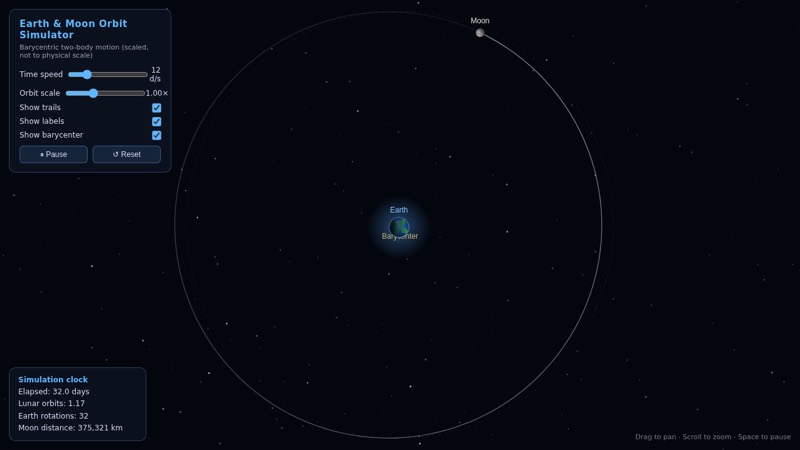
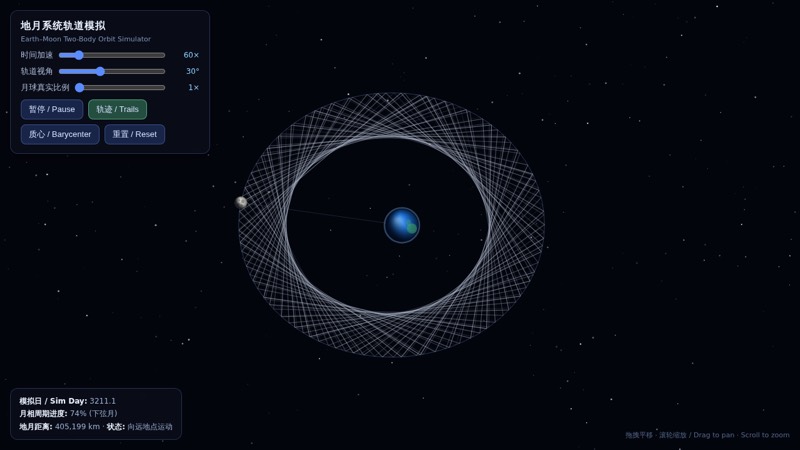
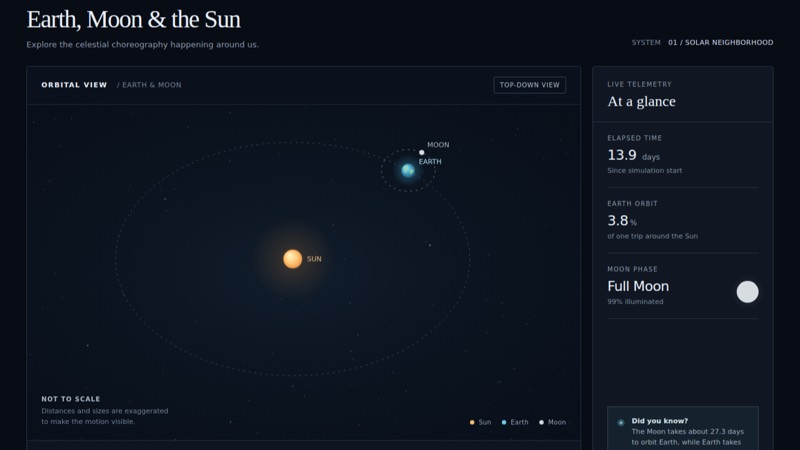
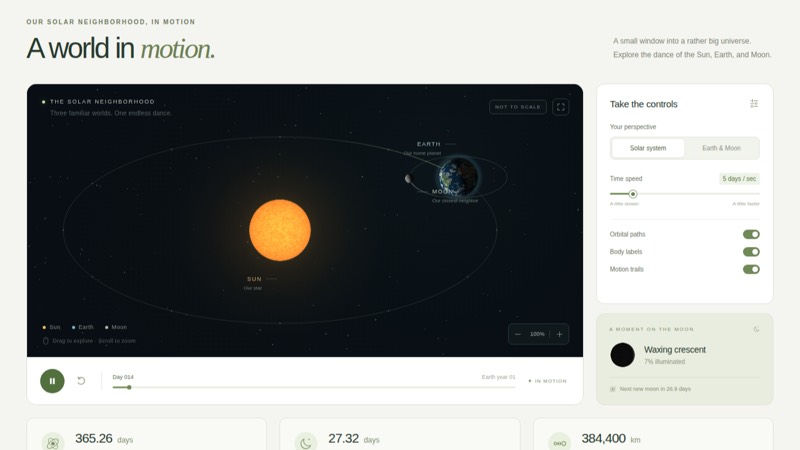
Earth-Moon orbits
Task 394 · physics simulation · medium
Qwen IQ4Qwen IQ3
No page: the agent finished without saving one.
Qwen NVFP4TerraSol
Sol's page is the most polished, with lit, textured bodies, a Moon phase card and a timeline. The normal IQ4 build comes second with the strongest physics: a barycentric two-body model on a true Keplerian ellipse, with zoom, pan, trails and a live distance readout, though it leaves out the Sun. IQ3's physics is just as real, but its default speed runs about 1,200 days a second, so the Moon smears into a web of trails. Terra's clean dashboard has a correct Moon phase panel, but its orbits are simple squashed circles. NVFP4 finished without saving a page.
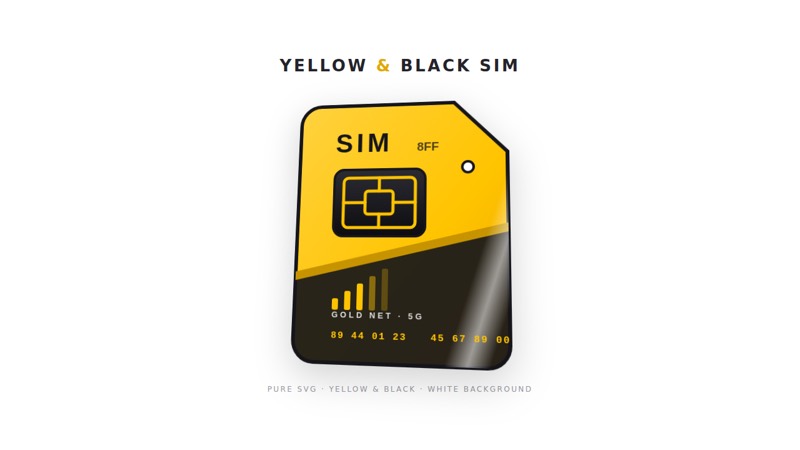
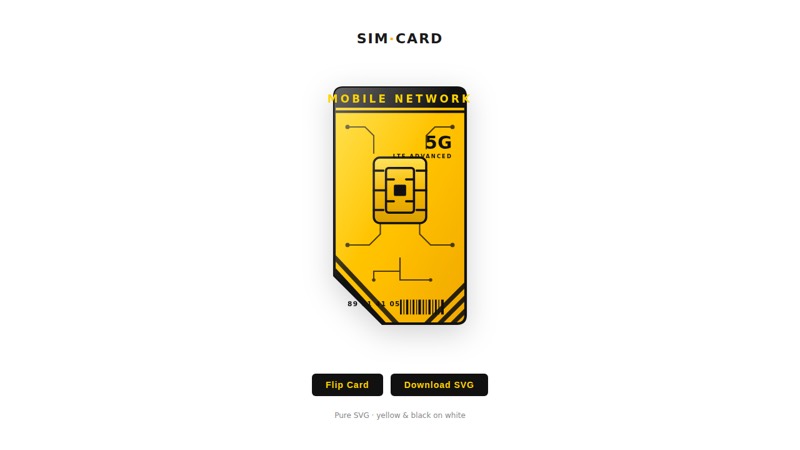
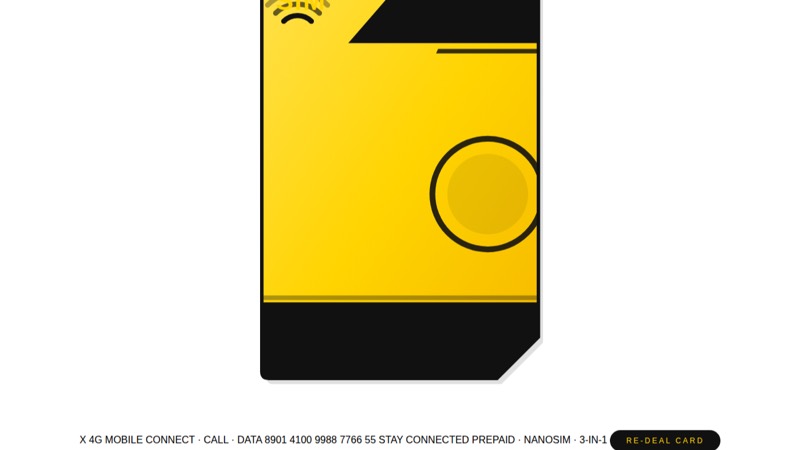
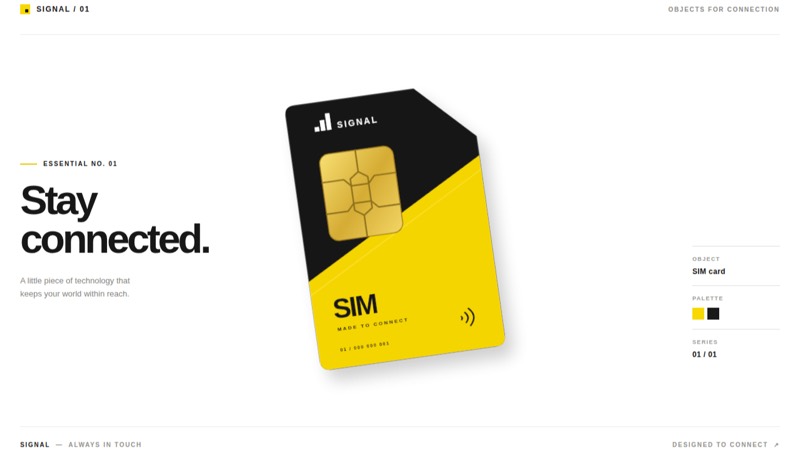
SIM card in yellow and black
Task 46 · SVG image · easy
Qwen IQ4Qwen IQ3Qwen NVFP4TerraSol
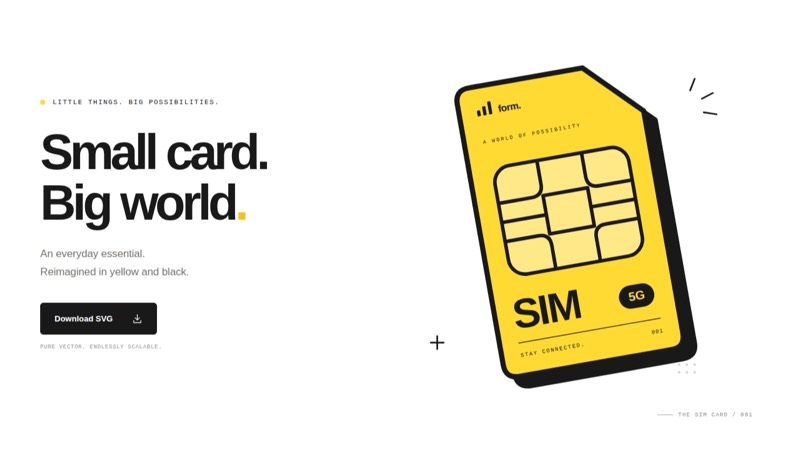
Sol and Terra lead with realistic proportions and convincing contact chips. IQ3's card has a clean chamfer and working flip and download buttons, but its header text runs off the card. The normal IQ4 build drew a stubby portrait card with a shine sweep and pointer tilt, but its chip is a stylised frame rather than a contact pad. NVFP4 put an HTML element inside the SVG text, so the chip and the text never render as graphics and spill out as a line of plain text below the card.
Racing game
Task 1013 · sports game · medium
Qwen IQ4Qwen IQ3Qwen NVFP4TerraSol
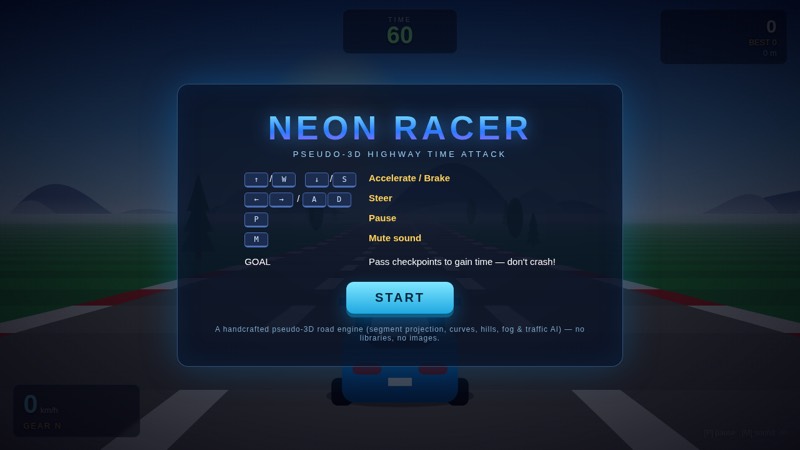
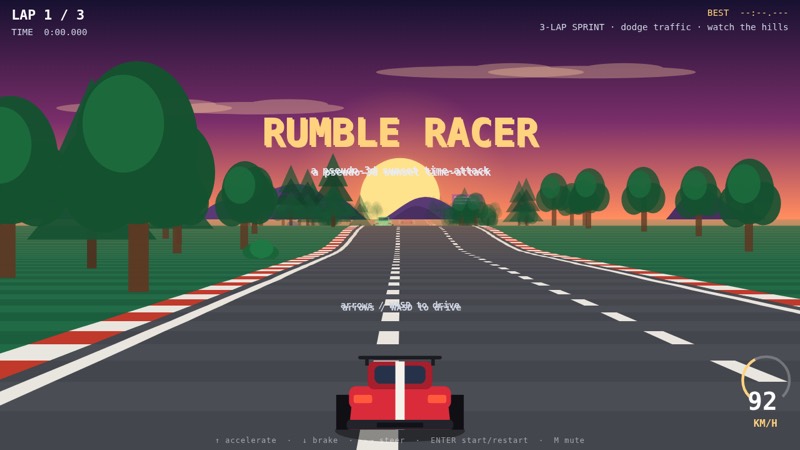
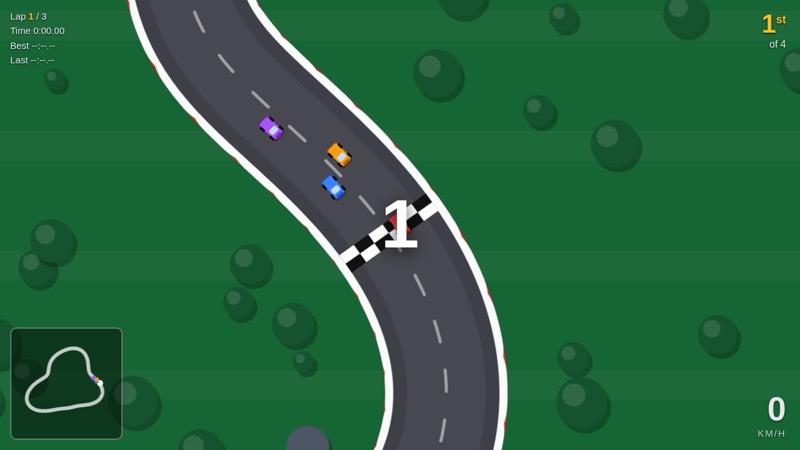
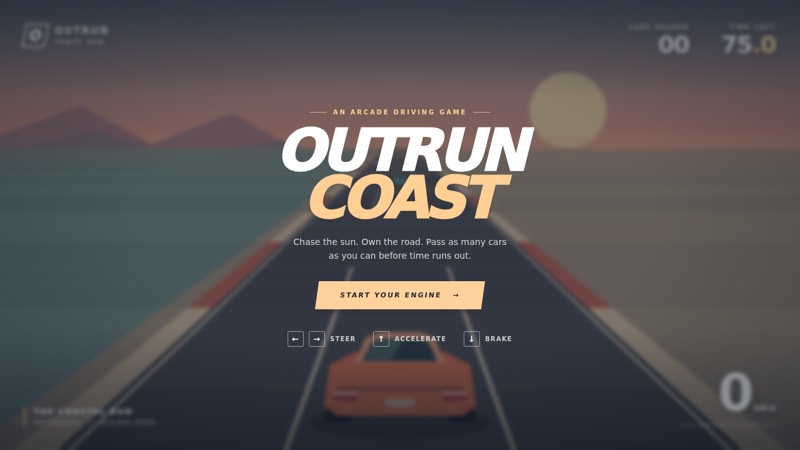
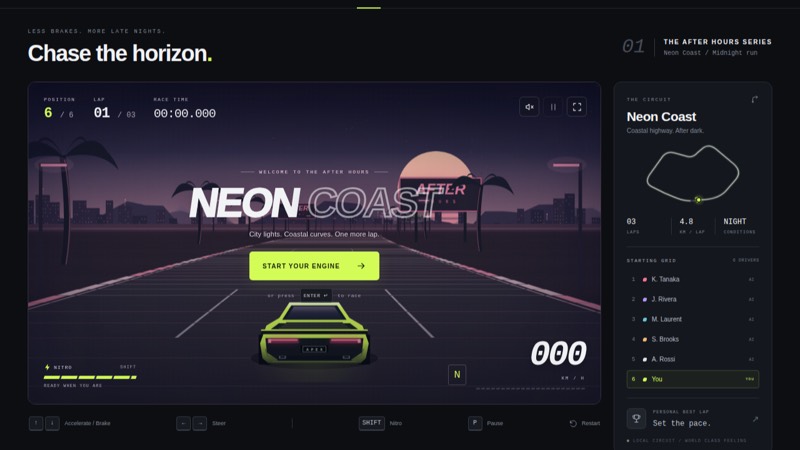
Every Qwen build made a real racer here, and all three outscored Terra. IQ4 wrote an OutRun-style pseudo-3D engine with curves, hills, fog, traffic and an attract mode, and IQ3 a similar one with roadside scenery and engine sound. NVFP4 built a top-down circuit racer with a countdown, three laps, AI rivals and a minimap. Sol's pseudo-3D race adds laps, a race clock and a starting grid. Terra's coastal time attack drives well, with drift and traffic, but has no laps, opponents or countdown.
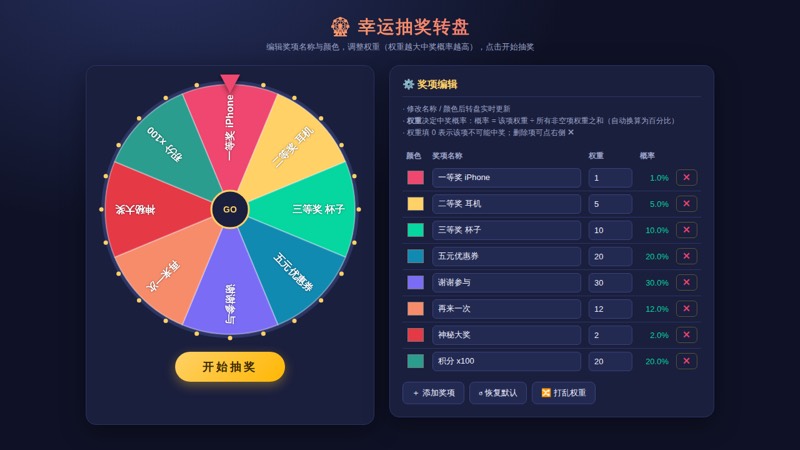
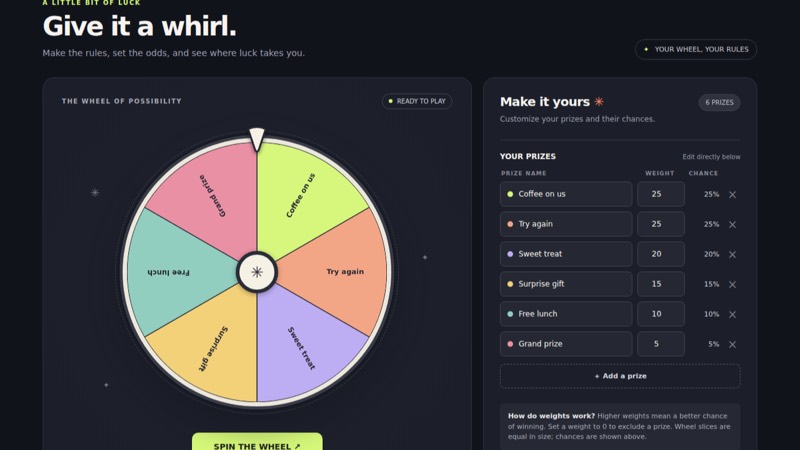
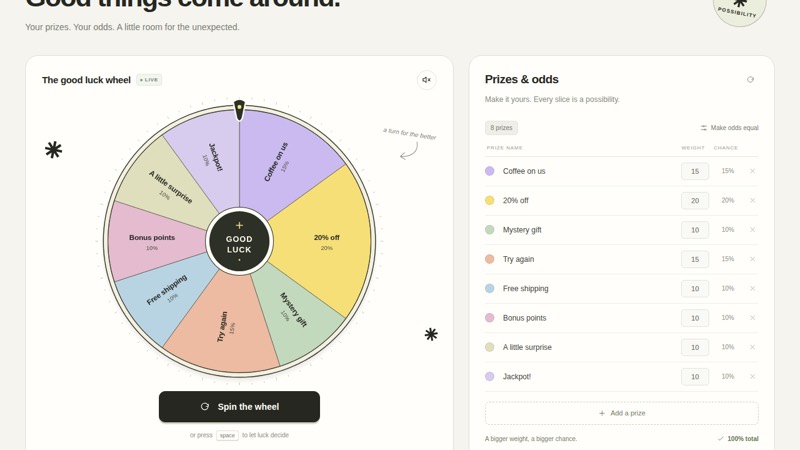
Prize wheel with editable odds
Task 1202 · casual game · easy
Qwen IQ4Qwen IQ3Qwen NVFP4TerraSol
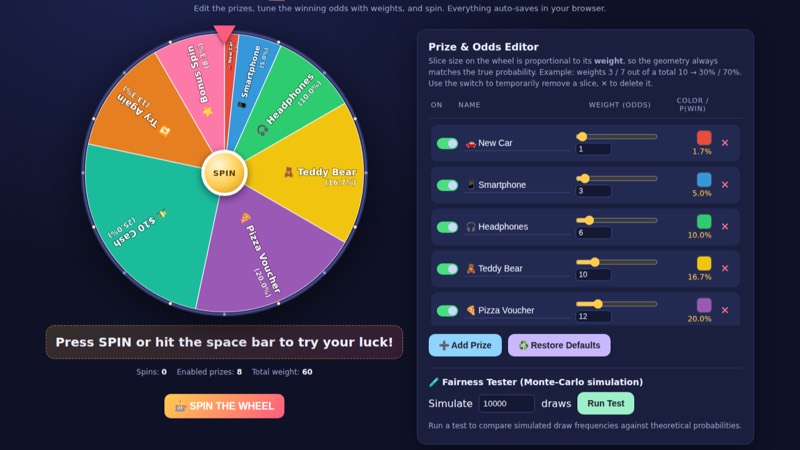
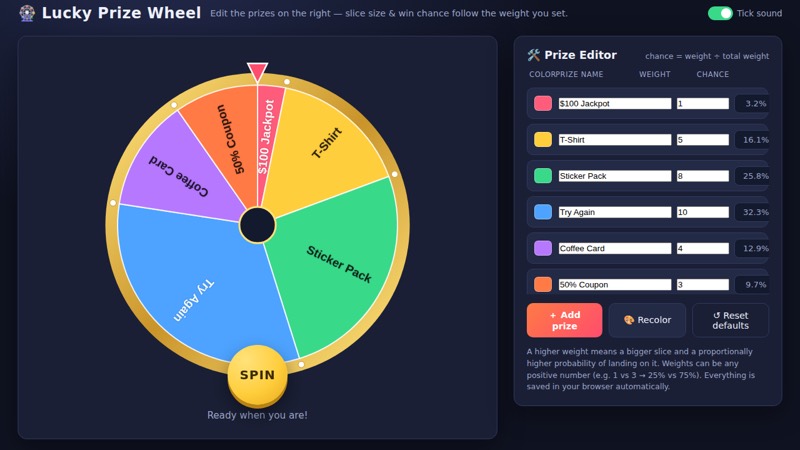
All five wheels work. IQ4's is the most complete Qwen page, with slices sized by weight, an on/off switch per prize and a Monte Carlo fairness tester. IQ3's draws weighted slices with sound and confetti. NVFP4's works, but its whole interface is in Chinese although the prompt was in English. Terra's slices are all the same size, so the wheel does not show the odds. Sol's wheel matches its odds table, with eased motion.
All 40 creative tasks
Each score is the mean of four judgements, and the best on each task is in bold. Hover a strip for all the judgements.
Task
Prompt
Category
Level
IQ4
IQ3
NVFP4
Terra
Sol
0–100
Notes
Wall-clock time per task · both benchmarks
Time
Time runs from launching the agent to its exit, task by task; a task that timed out counts at the limit. Terra and NVFP4 are the fast pair: one of them finished first on every one of the 98 tasks. The workstation Qwen builds are much slower than Sol on Godot and faster than Sol on creative builds.
Godot: pass rate against time
Qwen IQ4
Qwen IQ3
Qwen NVFP4
Terra
Sol
Up and to the left is better. Time is the median per task, with timeouts counted at 600 s.
Creative: score against time
Qwen IQ4
Qwen IQ3
Qwen NVFP4
Terra
Sol
Up and to the left is better. Time is the median per page.
GameDevBench: tasks finished by a given time
Each step is one more task whose agent stopped on its own; dots mark the median. Terra finished every task within 100 s. The Qwen lines stop at 38 (IQ4), 45 (IQ3) and 47 (NVFP4) of 58, because the rest ran the full 600 s.
ArtifactsBench: pages finished by a given time
NVFP4 and Terra rise almost at once. The workstation Qwen curves rise before Sol's but stop short after timeouts. Sol's slowest page took 1,059 s.
0013450
Godot tasks each setup finished first, of 58
0025150
Creative pages each setup finished first, of 40
6.8 h5.5 h3.6 h0.8 h2.0 h
Total time for the 58 Godot tasks
5.7 h4.8 h1.7 h0.8 h7.0 h
Total time for the 40 creative pages
Godot: median time by how many setups passed
Qwen IQ4
Qwen IQ3
Qwen NVFP4
Terra
Sol
Even on the 15 tasks all five solved, the workstation builds took two to three times as long as Sol, NVFP4 about as long as Sol, and Terra less than half.
Creative: median time by category and difficulty
Qwen IQ4
Qwen IQ3
Qwen NVFP4
Terra
Sol
NVFP4 and Terra stay under two and a half minutes in every group. The workstation builds are quickest on small SVG and web-visual pages; on hard tasks they take as long as Sol or longer.
Why speed and quality split this way: a Godot task rewards reading the project, making a targeted fix and checking it. There every Qwen build writes two to four times as many tokens as Sol or Terra; on the workstation at 57 to 75 tokens/s that costs minutes, and under SGLang on two RTX 6000 Pro GPUs it costs far less. On creative builds Sol at xhigh keeps polishing, with 37k output tokens and 66 KB pages, and that extra time buys its lead. NVFP4 finishes pages fast but writes less than the workstation builds (14k tokens against 22k to 26k), and its pages score lower.
All 58 Godot tasks: results and timeshow table
The fastest time on each task is in bold.
Task
IQ4
Time
IQ3
Time
NVFP4
Time
Terra
Time
Sol
Time
Astra (published)
All 40 creative pages: timeshow table
The fastest time on each task is in bold.
Task
Prompt
IQ4
IQ3
NVFP4
Terra
Sol
Same quantization, harness and settings
Abliterated vs normal IQ4
The first IQ4_XS run used an abliterated build, one with its refusal behaviour removed. We reran the normal build on the same workstation with the same settings and compared the two directly. For a fair creative score, both are averaged against the same three rivals (IQ3, Terra and Sol), and they also met once side by side.
IQ4 normal
IQ4 abliterated
Abliteration made no measurable difference to quality on either benchmark. Both builds decoded at about 57 tokens/s; the normal build ran longer per task in this run and hit the time limit a little more often.
Read the numbers with these in mind
Method and caveats
Effort is not matched. The Qwen builds ran at medium, Sol and Terra at xhigh. On the Godot tasks, the IQ4 build's highest setting only added timeouts. On the creative tasks the Qwen builds rarely hit the limit, so a higher-effort Qwen run there is the obvious follow-up.
The three Qwen deployments differ in more than quantization. IQ4_XS and IQ3_S ran as GGUF files on the Strata server on one workstation GPU; NVFP4 ran on SGLang across two RTX 6000 Pro GPUs. The servers may apply different default sampling settings, which we did not control, so NVFP4's lower creative scores could come partly from serving rather than from the quantization alone.
Time was not measured under equal conditions. Every Qwen build ran one task at a time on its own server. Sol and Terra used OpenAI's service, four Godot tasks or two creative tasks at once, and their times also depend on that service's load. The first NVFP4 attempt was discarded after its server stopped answering four minutes in; the rerun had no connection errors.
The creative judge is Claude Opus 5.5, not the official Gemini 2.5 Pro. The scores compare these setups with each other and cannot be placed on the ArtifactsBench leaderboard.
Round-robin judging. Fourteen blind rounds, with fresh judges and the same brief and checklists: one for each pair of the five setups, and four more for the abliterated IQ4 build. Judges score a page about 2 to 3 points lower when the other answer is Sol's; every setup meets Sol once, so the mean of its judgements evens this out. Sol's five rounds agree closely, from 76.1 to 77.8.
Long pages are cut at 108,000 characters for judging, matching the official 27k-token limit. Embedded base64 fonts and images are replaced by a placeholder first. Sol's task 380 page is 4 MB, almost all fonts; in the first round the judge saw almost none of its code, so that task was rejudged with the fonts elided. Even then its scripts fall past the cut, so in every round it was judged on its markup, styles and screenshots. The abliterated IQ4 answer moved 7 points between those two judges, a rough measure of judge noise.
Blind judging. Answers were labelled A and B at random, the key was kept outside the judges' folders, and the pages were checked for any text naming a model or tool. A few judges listed or hashed other packet files in their round while working; none opened another task's answers.
One run per task, on samples. 58 Godot tasks and 40 creative tasks, each run once per setup. Sol's creative lead, and Sol's and Terra's Godot lead over IQ4 and NVFP4, are statistically clear; differences among the three Qwen builds on Godot are not.
Exclusions. Seven GameDevBench tasks have reference solutions that fail in this arm64 VM (0012, 0015, 0051, 0052, 0059, 0068, 0130). Two fell in the sample and are left out for every run.
Rule breaks. On task 1255 (Mapbox in React) every Qwen build and Terra load scripts from a CDN although the prompt asked for everything inline; Sol fetches them only after the user enters a Mapbox token. On task 1568 the IQ4, IQ3 and NVFP4 pages also fetch a 3D library from a CDN, and for IQ3 and NVFP4 it fails to load. All were judged as they rendered.
A first creative attempt was discarded. It ran outside the sandbox, where Codex used the VM's Playwright install to check its own output.
Sources: GameDevBench at commit 54589a4, with a patch adding a PI solver. ArtifactsBench at commit 88c968b; task prompts and checklists are from ArtifactsBench, CC BY 4.0. Screenshots show pages written by the agents.